
Page Contents
- 1 Details: Mainstays NSF Certified Oven Safe Meat Thermometer, Extra Large Dial, Silver
- 2 Advantages
- 3 Notice
- 4 Buyer Guide meat thermometer
- 5 How to choose meat thermometer
- 6 How to maintain meat thermometer
- 7 Review Chef's Precision Digital Instant Read Thermometer
- 8 Review Taylor Precision Products Gourmet Wireless Remote Thermometer
- 9 Review Digital Thermometer,℃ ℉ Food Meat Temperature Meter,Instant Read Kitchen Cooking Barbecue The...
- 10 Review Brannan Instant Read Meat Thermometer Digital Probe - Best Waterproof Fast Kitchen Cooking Fo...
Details: Mainstays NSF Certified Oven Safe Meat Thermometer, Extra Large Dial, Silver
Brand: Generic

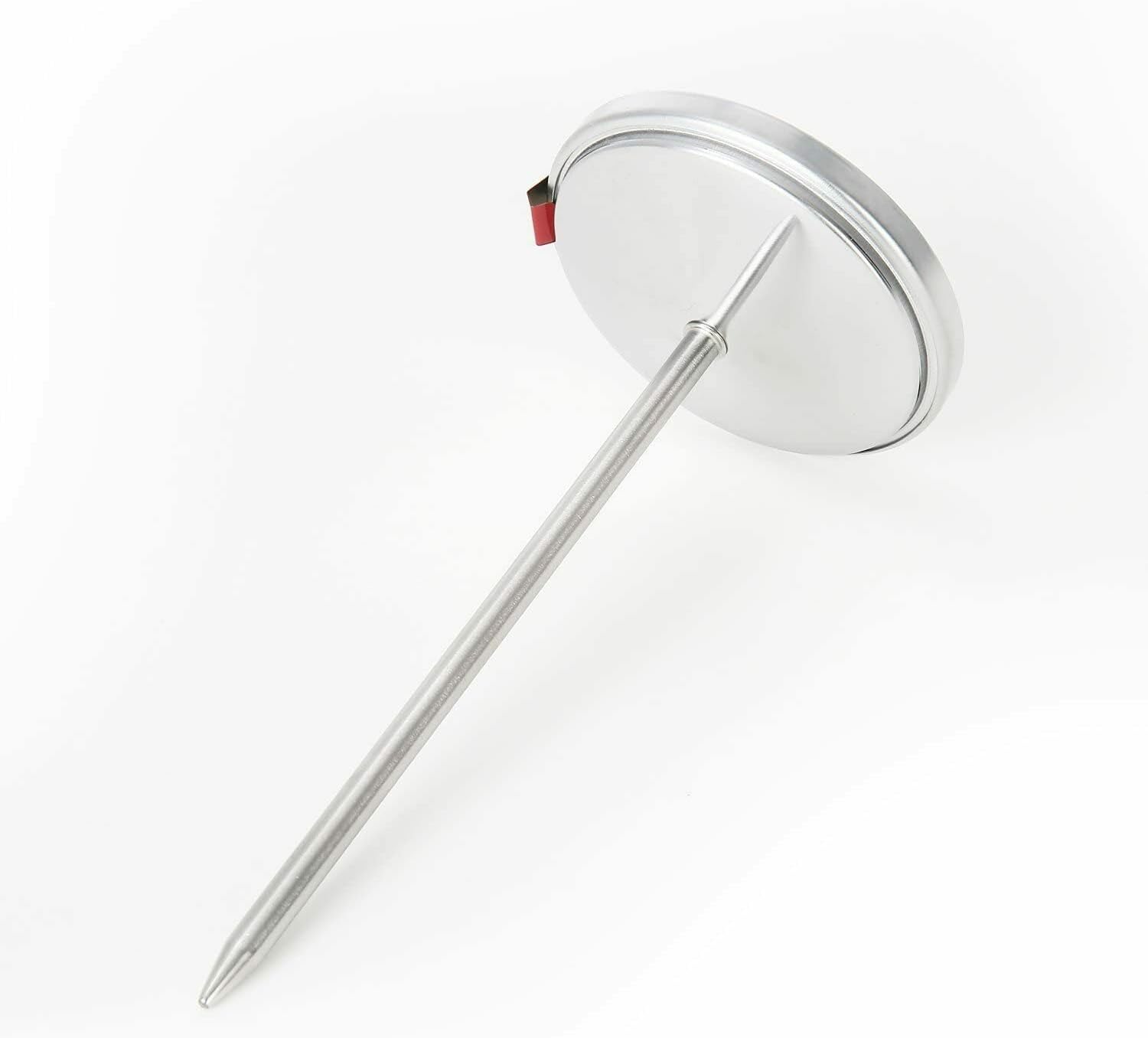
Keep an eye on how your cooking is going with the Mainstays Meat Thermometer. This easy-to-use dial features a large face with all of the important information right at a glance and easy to read. An outer marker lets you set the temperature you want and enables a clearer idea of how close your meat is to being finished. Mainstays stainless steel meat thermometers are easy to clean and dishwasher safe, so they can be used again and again easily. Mainstays Meat Thermometer: Stainless steel construction meat cooking thermometer Large-dial face for easy reading Thermometer units: Fahrenheit Graduation range: min 120 degrees Fahrenheit/max 220 degrees Fahrenheit Dishwasher safe NSF certification Displays safe temperatures for different varieties of meat Adjustable outer marker to help gauge when the proper temperature is reached

Advantages
- Products can be returned
Notice
- Is an online purchase
- Delivery may be delayed in some areas.

Buyer Guide meat thermometer
When buying a meat thermometer, there are a few things you should consider first.- Price. Price is the first thing you should consider. The more expensive the thermometer, the better it will be.
- Temperature Range. The temperature range of the thermometer will determine the kinds of meats you can cook.
- Accuracy. Accuracy is very important as well. The thermometer’s accuracy will determine how well it will cook the meat.
- Look. The thermometer’s look is also important.
How to choose meat thermometer
A meat thermometer measures the internal temperature of the meat to ensure it’s cooked thoroughly. If you plan on cooking steaks, roasts, pork chops, chicken breasts, or other meats, a meat thermometer will help you cook them evenly and consistently.- Length: The longer the meat thermometer, the better. The longer the thermometer, the easier it will be for you to check the temperature of the meat.
- Knob: Meat thermometers with a knob are easier to handle. A knob also makes turning the thermometer easier, especially if yours is battery-operated.
- Battery life: With most meat thermometers, you’ll want to invest in ones that have rechargeable batteries.
- Temperature range: Ideally, the temperature range of your meat thermometer should cover any temperature you plan on cooking your meat to.
- Accuracy: Most meat thermometers are accurate to 2?F. The accuracy of your thermometer will depend on how accurate the thermometer you use is.
How accurate is the thermometer?
- A good meat thermometer will register when the meat reaches 160?F.
- A mediocre meat thermometer will register when the meat reaches 140?F.
- A bad meat thermometer will register when the meat reaches 130?F.
How to maintain meat thermometer
If you eat a lot of meat, a good meat thermometer is an essential kitchen tool. You can use a meat thermometer to check the internal temperature of any meat youre cooking.- Use a digital meat thermometer if youre only cooking for one or two people. Digital thermometers have small screens that show the temperature reading, and a digital readout makes it easy to set and retrieve a precise internal temperature. If youre cooking meat for a larger group, a digital meat thermometer may not be the best option.
- Use a meat thermometer with a probe. A probe-style meat thermometer allows you to insert the tip of the thermometer directly into the meat. These thermometers are a bit more delicate than digital meat thermometers, so its important to handle the probe with care.
- Wash your meat thermometer. Before storing your meat thermometer, be sure to wash it with hot, soapy water to remove any leftover food particles.
- Store your meat thermometer in a cool, dry place. If you store it in the refrigerator, be sure to avoid placing the probe tip directly in the vegetable drawer, as the temperature in there can be much hotter than the rest of the refrigerator.
- Keep your meat thermometer clean. Before you store or use your meat thermometer, be sure to remove any pieces of food and wipe it down with a moist towel to remove any buildup.
Related posts:
Review Chef's Precision Digital Instant Read Thermometer
Review Taylor Precision Products Gourmet Wireless Remote Thermometer
Review Digital Thermometer,℃ ℉ Food Meat Temperature Meter,Instant Read Kitchen Cooking Barbecue The...
Review Brannan Instant Read Meat Thermometer Digital Probe - Best Waterproof Fast Kitchen Cooking Fo...
